Memopezil Memory and Focus Guide: Sleep, Habits and Where Supplements Fit
Quick answerMild forgetfulness is common with age. Noticeable memory changes deserve a doctor's visit, because causes such as medicine side effects, low vitamin B12, thyroid problems, depression and poor sleep can be treated. Sleep, activity, friends and simple memory tools do the daily work. No supplement is proven to prevent decline, so Memopezil is a small daily extra, not care.
 Memopezil file: memory and focus guide
What counts as normal forgetfulness?
Some forgetfulness is a normal part of aging. The National Institute on Aging says mild lapses, such as a missing word or a misplaced pair of glasses, are common in older adults (NIA, memory and aging). The key question is whether the lapse is new, frequent or getting in the way of daily life.
Everyday slips
Forgetting why you walked into a room happens to most people. So does blanking on a name and recalling it an hour later. These slips often come back to you with a little time or a clue.
Changes worth a closer look
A change that keeps growing is different. If a person keeps asking the same thing, or struggles with tasks they used to handle with ease, that pattern deserves a doctor's view.
| Situation | Often a normal slip | Worth raising with a doctor |
|---|---|---|
| Names | You forget a name and it comes back later | You often cannot recall names of close family or friends |
| Belongings | You misplace your keys now and then | You lose items often and cannot retrace your steps |
| Conversations | You lose a word mid-sentence | You repeat the same story or question many times in one visit |
| Places | You pause at a new route | You get lost on a drive or walk you know well |
| Money and tasks | You miss one bill payment | You have steady trouble following bills, recipes or directions |
Which memory changes are warning signs?
Some memory changes need a professional check, not a supplement. The NIA advises talking with a doctor about any noticeable change in memory (NIA, memory and aging). An early visit gives more options, and it often brings peace of mind.
Family members often notice first. If a parent or partner seems more confused, calmly suggest a checkup together. Bring a short list of examples with dates, since specifics help the doctor.
Signs that need a doctor, not a supplement
Getting lost in a familiar place, repeating questions, trouble managing money, confusion about time or people, or a big change in mood or personality. A sudden change, especially with weakness, slurred speech or a severe headache, needs emergency care right away.
What treatable causes can affect memory?
Many things that affect memory can be treated. The NIA lists medicine side effects, low vitamin B12, thyroid problems, depression and poor sleep among them (NIA, memory and aging). Finding one of these can make a real difference.
Medicine side effects
Some prescriptions and over-the-counter sleep or allergy aids can dull thinking. Bring every bottle to your visit.
Low vitamin B12
A simple blood test can check B12. Low levels are more common with age and with some medicines.
Thyroid problems
An underactive or overactive thyroid can affect focus and memory. A blood test can check it.
Depression, anxiety and grief
Low mood and worry can crowd out attention. These are real health conditions that can be treated.
Poor sleep
Short or broken nights make it harder to focus and remember. Snoring and daytime sleepiness are worth mentioning.
Other health issues
A full checkup can look for other medical causes. That is why a visit comes before any product.
How does sleep support memory and focus?

Sleep is one of the most useful habits for memory and focus. When nights are short or broken, the next day often feels foggy. Poor sleep is also on the NIA list of treatable causes of forgetfulness (NIA, memory and aging).
Simple sleep habits
Wake up and go to bed at about the same times each day. Keep the bedroom dark, quiet and cool. Save coffee and tea for earlier in the day.
When sleep needs a doctor
Loud snoring, gasping at night or heavy daytime sleepiness can point to a sleep disorder. Tell your doctor. These problems are common, and care is available.
Which everyday habits help you remember?
Small routines protect memory better than any single product. The NIA suggests planning tasks, using memory tools and staying active in body and mind (NIA, memory and aging). None of these cost much, and most fit into a normal day.
Write it down
Keep lists, a wall calendar or phone reminders for appointments, pills and bills.
Give things a home
Put keys, wallet and glasses in the same spot every day.
Move most days
Walks, gardening or dancing keep the body busy. Ask your doctor what level is safe.
Stay in touch
Calls, clubs, volunteering and time with family keep the mind engaged.
Learn something new
A language, an instrument or a new craft gives the brain fresh work.
Care for your health
Keep up with blood pressure checks and limit alcohol. Follow your doctor's plan.
How can you protect focus during the day?
Focus is easier to protect than to force. Most people concentrate better on one task at a time, with fewer interruptions. A few changes to your setup can help.
Set up the task
Choose one task and put the others on a list for later. Silence phone alerts for a set block of time. Keep what you need within reach before you start.
Take real breaks
Stand up, stretch or step outside between blocks of work. A short walk resets attention for many people. Drink water, too, and eat regular meals.
Match tasks to your energy
Many people think more clearly at a certain time of day. Save the hardest task, like paying bills or reading forms, for that window.
What does NCCIH say about a memory supplement?
The science on memory supplements is modest. NCCIH says a few natural products showed modest effects in studies, but evidence that any supplement prevents cognitive decline or dementia is limited (NCCIH, supplements and cognition). That is the honest starting point for any product, Memopezil included.
Why claims matter
The FDA does not approve dietary supplements before they are sold (FDA, Q&A on Dietary Supplements). In 2019 it warned 17 companies selling more than 58 products with illegal Alzheimer's claims, and noted that such scams can delay proper care (FDA, Alzheimer's claims, 2019). A label that stays with support wording, like the Memopezil front panel, is following the rules. Our buyer's checklist shows how to spot the difference.
Where does Memopezil fit as a memory supplement?
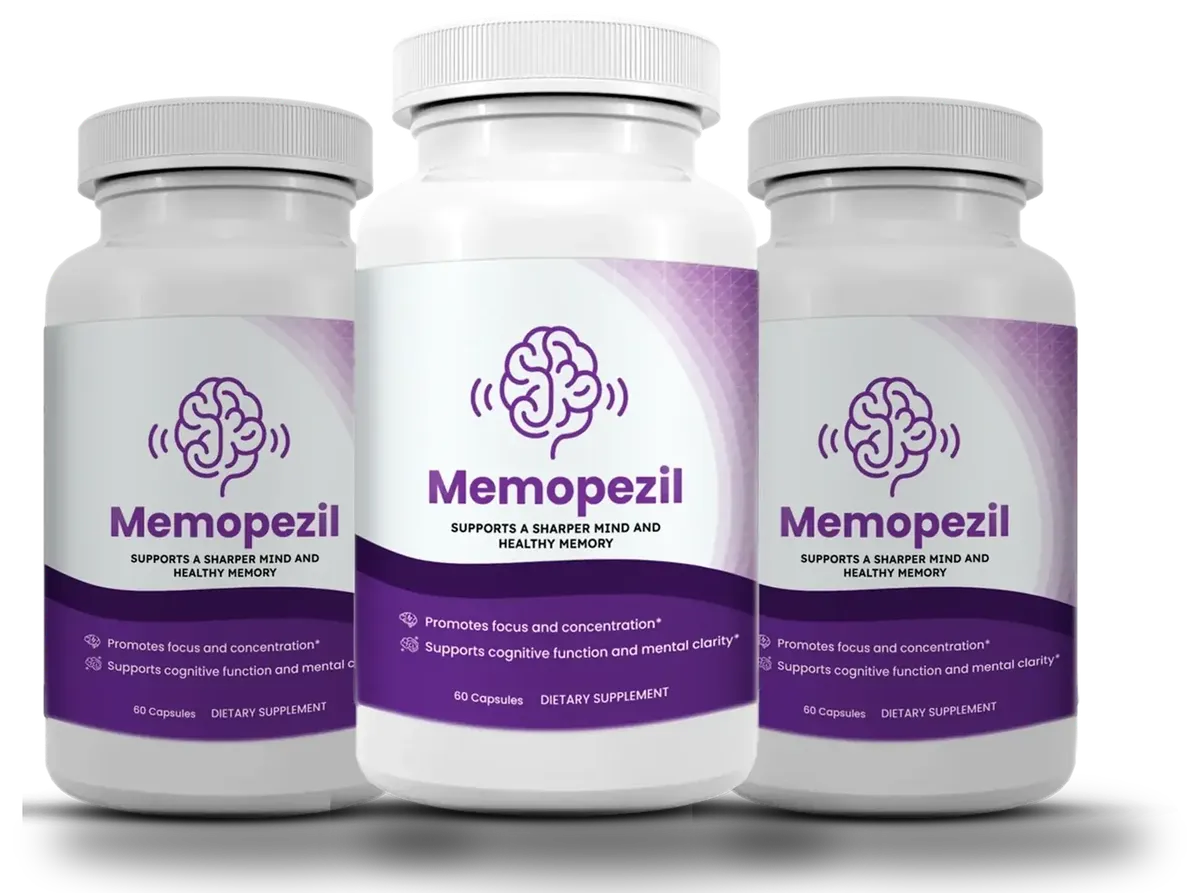
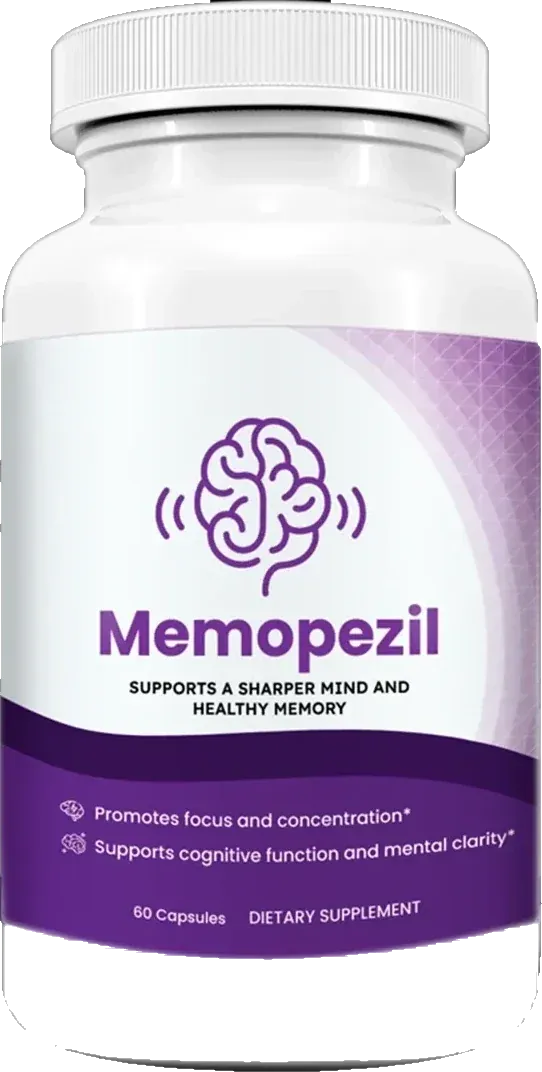
Memopezil fits at the end of a memory plan, after sleep, activity, social time and doctor visits. It is a capsule taken as 2 capsules a day with water. The front label says "Supports a Sharper Mind and Healthy Memory," with the FDA disclaimer beside it.
What the label gets right
Every ingredient has its own printed amount: BCAAs 540 mg, bacopa 200 mg, rhodiola 100 mg, L-theanine 100 mg and Panax ginseng 90 mg. That makes it easy to compare with research. The Supplement Facts page walks through each line.
Where the doses land
Most amounts sit below the doses studied. Bacopa trials used 300 mg a day for 12 weeks (Stough et al., 2001), so 200 mg is about two-thirds. Theanine trials often used 200 mg (Hidese et al., 2019), so 100 mg is half. Our post on bacopa's 12-week studies explains what that means.
What Memopezil offers
- Every amount printed, no proprietary blend
- Two capsules a day, easy to pair with breakfast
- 60-day money-back window
- Label claims stay within support wording
What to keep in mind
- Most amounts are below studied doses
- No clinical trial of the finished capsule
- Refund needs at least 30 days of use; buyer pays return shipping
- No lab certificate published yet
What should you check before adding Memopezil?
Some ingredients deserve a word with your doctor or pharmacist before you start. This matters most if you take several medicines. The full list sits on the safety page.
| Check | Why it matters | Source |
|---|---|---|
| Thyroid medicine | Bacopa may affect thyroid medicine and drug-processing enzymes. It can also upset the stomach. | (StatPearls, Bacopa) |
| Antidepressants, blood thinners, blood pressure drugs | Rhodiola may interact with these medicines and with stimulants. | (MSKCC, Rhodiola) |
| Diabetes medicine or bleeding risk | Ginseng may lower blood sugar and affect clotting. Insomnia is its most common side effect. | (NCCIH, Asian Ginseng) |
| Sleep aids or sedatives | L-theanine may add to the drowsiness of sedative medicines. | (MSKCC, L-Theanine) |
What does a simple memory habit plan look like?
Here is one way to put the habits in order. It is a starting outline, not a medical plan. The how-to-use page covers the capsule routine if you add Memopezil.
- First step
If you have noticed a change, book a checkup. Bring a list of your medicines and a few dated examples.
- Week 1
Set a regular bedtime and wake time. Start a simple list or calendar for tasks and pills.
- Weeks 2 to 4
Add a daily walk and one social plan each week. Note how you sleep and feel.
- Month 2
Pick a new skill to learn. Review your notes for patterns worth sharing with your doctor.
- Ongoing
Keep up with checkups. Any supplement stays a small extra on top of these habits.
Memopezil memory and focus guide FAQ
Is it normal to forget names or misplace keys?
Yes, now and then. The National Institute on Aging says mild forgetfulness is a common part of getting older. What matters is whether the lapses are getting more frequent or starting to disrupt daily life.
When should I see a doctor about memory?
Book a visit when you or someone close to you notices a clear change. Repeating the same questions, getting lost on familiar routes or trouble managing bills are good reasons to go.
Can memory problems have a treatable cause?
Yes. Medicine side effects, low vitamin B12, thyroid problems, depression and poor sleep can all affect memory. A doctor can check for them.
Can a supplement prevent dementia?
No supplement has been shown to do that. NCCIH says a few natural products showed modest effects in studies, but the evidence that any of them prevents cognitive decline is limited.
Where does Memopezil fit in a memory plan?
At the end of the list, after sleep, activity, social time and doctor visits. Memopezil is labeled to support a sharper mind and healthy memory. It does not treat or prevent any disease.
Can I take Memopezil with my medicines?
Ask your doctor or pharmacist first. Bacopa may affect thyroid medicine, rhodiola may interact with antidepressants and blood pressure drugs, ginseng may lower blood sugar and theanine may add to sedatives.
Does better sleep help memory?
Poor sleep is one of the common, fixable reasons people feel forgetful. A regular bedtime, a dark room and less late caffeine are simple places to start.
Add Memopezil to habits you already keep
2 capsules a day alongside sleep, activity and doctor visits, with a 60-day money-back window. Questions about medicines first? Call +1 (507) 448-8190.