 200 mg
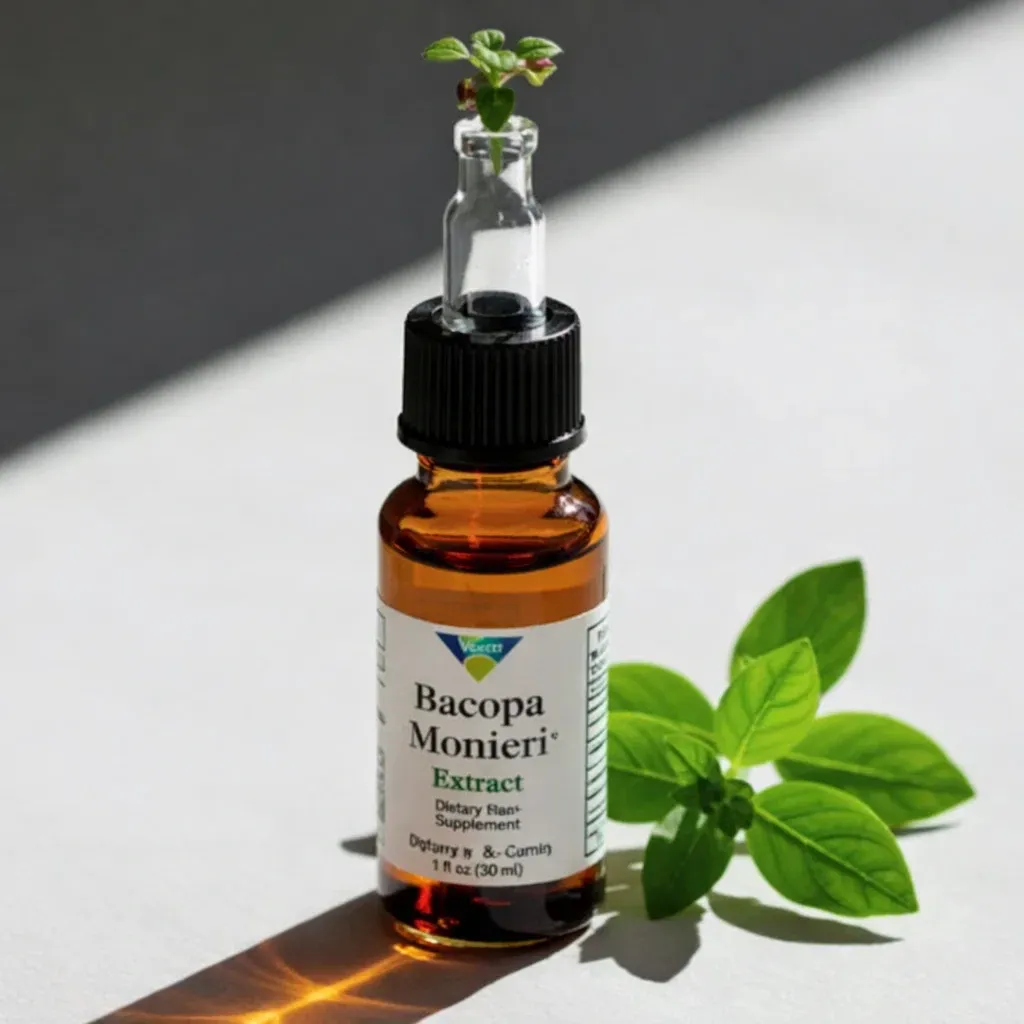
Bacopa Monnieri Extract
Bacopa monnieri
A traditional herb with the most memory research here. Trials used 300 mg a day of standardized extract for 12 weeks.
Quick answerEach 2-capsule serving of Memopezil lists five active ingredients.
BCAAs 540 mg, Bacopa monnieri extract 200 mg, Rhodiola rosea extract 100 mg (3% salidroside), L-theanine 100 mg and Panax ginseng extract 90 mg, in a plant cellulose capsule. The label says it contains no allergens.
 Memopezil file: ingredients
Memopezil has five active ingredients, and the label prints the amount of each one. Two capsules make one serving, and a bottle holds 30 servings.
The mix pairs three plant extracts with two amino acid sources. The cards below give a quick view. The sections after them go one ingredient at a time. For the full printed panel, see Memopezil Supplement Facts.
200 mgBacopa monnieri
A traditional herb with the most memory research here. Trials used 300 mg a day of standardized extract for 12 weeks.
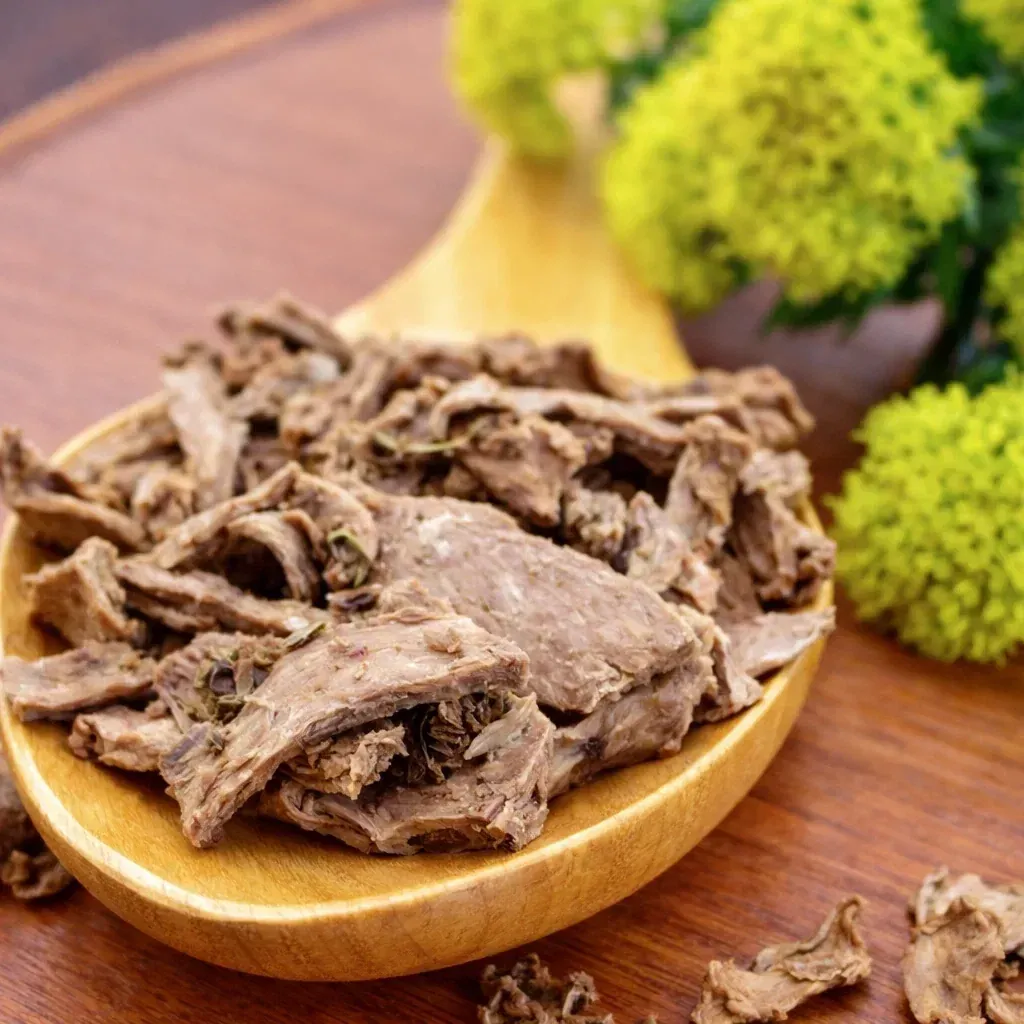 100 mg
Standardized to 3% salidroside
A root studied for stress-related fatigue at 100 to 576 mg a day for up to 4 weeks. NCCIH calls the evidence unclear.
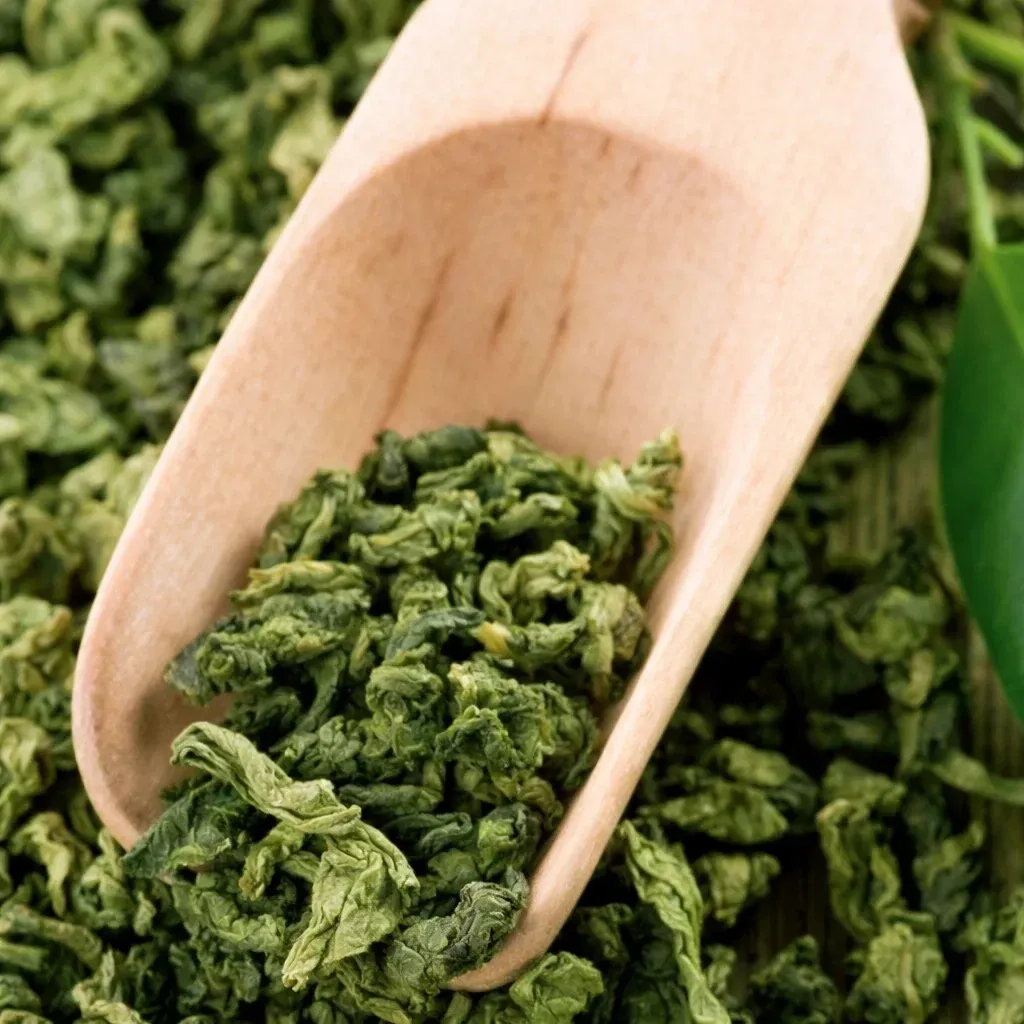 100 mg
Amino acid found in tea
The calm-alert amino acid in tea. Most trials used 200 mg, often as a single dose.
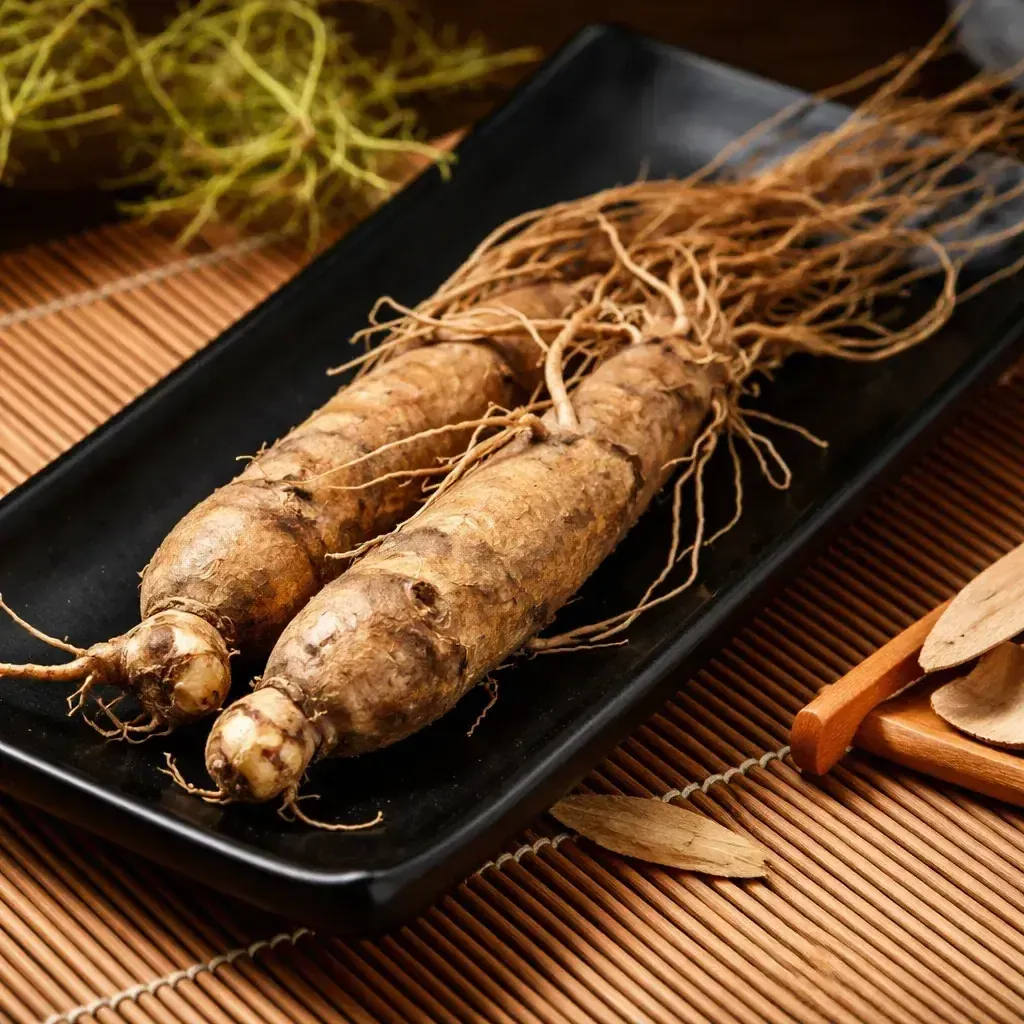 90 mg
Panax ginseng
Asian ginseng. Single doses of 200 to 400 mg were studied during mental tasks; a Cochrane review found no convincing memory effect.
L-leucine, L-isoleucine, L-valine (2:1:1)
The largest item by weight. BCAA research on mental fatigue used 7 to 10 grams during hard exercise.
Bacopa is a creeping herb from wetlands in South Asia. It has the most memory research of any ingredient here. Memopezil gives 200 mg of bacopa extract per serving.
Most trials used 300 mg a day for 12 weeks. In healthy adults, that dose improved learning rate and processing speed (Stough et al., 2001). In adults aged 65 and over, it improved delayed word recall (Calabrese et al., 2008). A review of six trials found the clearest gains in free-recall memory (Pase et al., 2012). The trials are summed up in what the 12-week bacopa studies show.
Safety: the most common side effects are stomach upset, nausea and cramps. Bacopa may also affect how the body processes some drugs, including thyroid medicine (StatPearls, Bacopa).
Rhodiola is a hardy root from cold mountain regions. Memopezil uses 100 mg of an extract standardized to 3% salidroside, a marker compound found in the root.
Rhodiola was studied mainly for stress-related tiredness. One trial gave 576 mg a day for 28 days to adults with stress-related fatigue. Burnout and attention scores improved versus placebo (Olsson et al., 2009). A wider review of 11 trials at 100 to 576 mg found mixed results (Ishaque et al., 2012).
Safety: reported side effects include dizziness, headache, trouble sleeping and dry mouth (NCCIH, Rhodiola). It may interact with antidepressants, blood thinners, blood pressure drugs and stimulants (MSKCC, Rhodiola).
L-theanine is an amino acid that occurs naturally in tea leaves. People often describe its feel as calm but alert. Memopezil gives 100 mg per serving.
Studies mostly used 200 mg. In one 4-week trial, healthy adults took 200 mg a day, and some sleep scores beat placebo (Hidese et al., 2019). A 2026 review of 31 trials found that a single 200 mg dose improved reaction time (Gerolymos et al., 2026).
Safety: trials report few or no side effects. L-theanine may add to the drowsiness of sedative medicines (MSKCC, L-Theanine).
Panax ginseng is also called Asian ginseng. The root has a long history in traditional use across East Asia. Memopezil gives 90 mg of ginseng extract per serving.
In one lab study, young adults took single 200 mg doses during long mental tasks. Mental arithmetic improved and mental fatigue dropped (Reay et al., 2005). A Cochrane review of nine trials found no convincing memory effect in healthy people (Geng et al., 2010 (Cochrane)). NCCIH says it may help thinking in middle-aged adults (NCCIH, Asian Ginseng).
Safety: trouble sleeping is the most common side effect. Ginseng may lower blood sugar and affect blood clotting (NCCIH, Asian Ginseng).
BCAAs are three essential amino acids: L-leucine, L-isoleucine and L-valine. The 2:1:1 ratio means two parts leucine to one part each of the other two. At 540 mg, BCAAs are the largest item in Memopezil by weight.
Research on BCAAs and mental tiredness comes from exercise studies. There, about 7 to 10 grams taken during hard exercise reduced how tired people felt (Blomstrand, 2006). No memory trials in resting adults were found.
Safety: BCAAs are building blocks of protein found in meat, eggs, dairy and beans. The amount here is small next to a normal meal.
Here is every active ingredient side by side. The label amount is per 2-capsule serving. The studied dose is the amount used in the linked research.
| Ingredient | Label amount | Studied dose | Source |
|---|---|---|---|
| Branched chain amino acids 2:1:1 | 540 mg | About 7-10 g during hard exercise | (Blomstrand, 2006) |
| Bacopa monnieri extract | 200 mg | 300 mg a day for 12 weeks | (Stough et al., 2001) |
| Rhodiola rosea extract (3% salidroside) | 100 mg | 100-576 mg a day for up to 4 weeks | (Ishaque et al., 2012) |
| L-theanine | 100 mg | 200 mg, daily or as a single dose | (Hidese et al., 2019) |
| Panax ginseng extract | 90 mg | Single doses of 200-400 mg | (Reay et al., 2005) |
Want to know how these ingredients might work together? How Memopezil works walks through the research.
Three other ingredients make up the capsule. They hold the powder together and help it flow during filling. None of them is an active ingredient.
The capsule shell. It is made from plant cellulose, not gelatin.
A plant fiber filler. It gives the powder bulk so each capsule fills evenly.
A small flow agent. It keeps powder from sticking to machines during filling.
The label states this plainly. No milk, egg, soy, wheat, nut or fish ingredient is listed.
The label lists no sugar, no artificial color and no caffeine source. It also says the product is made in an FDA-registered facility in the USA with globally sourced ingredients.
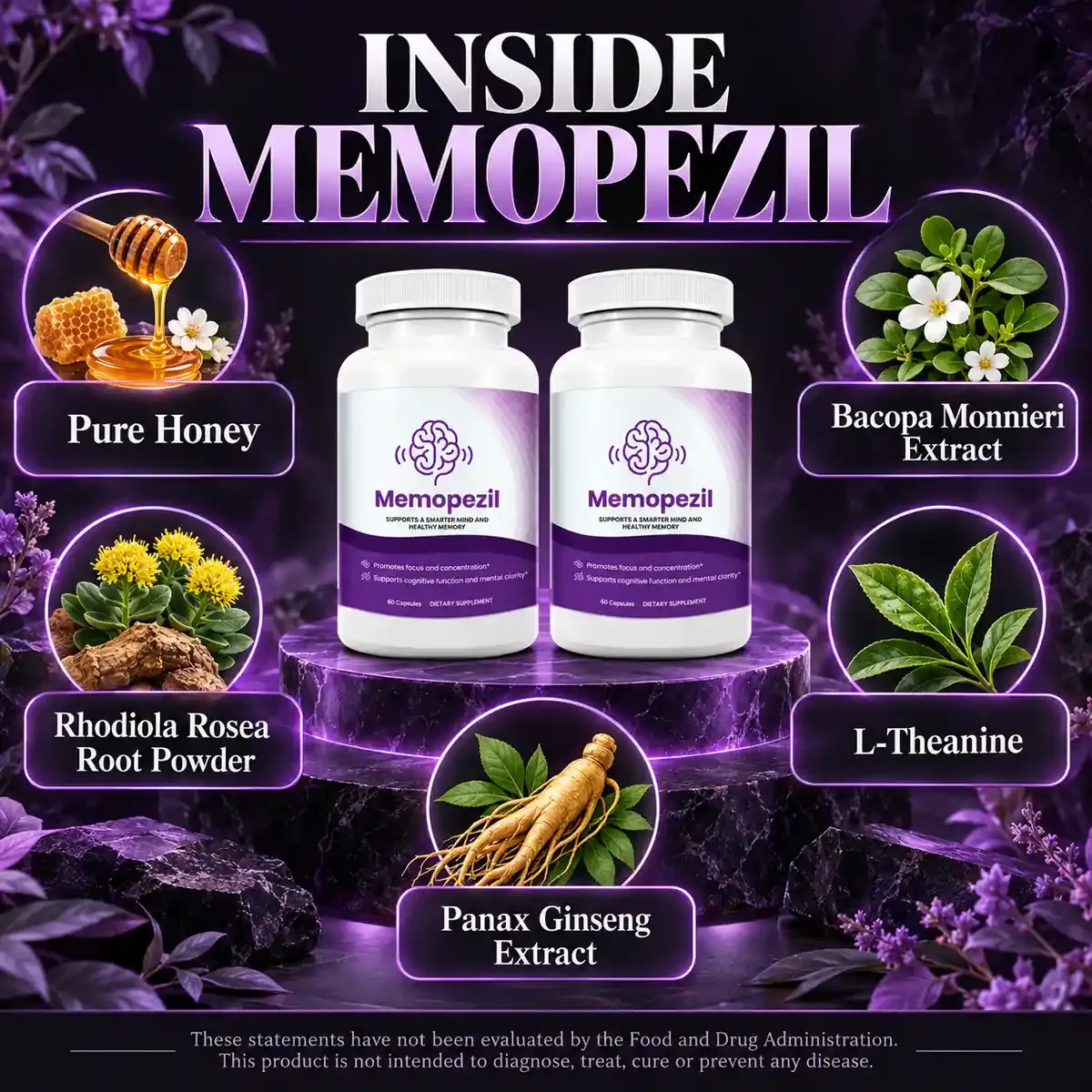
The brand's info page and the retailer pack list five items: pure honey, bacopa extract, rhodiola root powder, L-theanine and ginseng extract. The graphic at the top of this page is the brand's own and shows honey too.
The Supplement Facts label tells a different story in three ways. It lists no honey at all. It lists rhodiola as a 3% salidroside extract, not a root powder. And it adds 540 mg of BCAAs that the info page never mentions.
Which list to trust
The label is the legal record of what is in the bottle. So the label wins. This site describes only what the label lists: five active ingredients, and no honey.
Show the label, not the info page, to your doctor or pharmacist. Safety points for each ingredient are gathered on Memopezil side effects.
Most amounts in Memopezil sit below the doses used in research. Bacopa is about two-thirds of the 300 mg in trials. L-theanine is half, ginseng is less than half, and BCAAs are under 10% of the exercise dose. Rhodiola sits at the low end of its studied range.
A lower dose is not proof that nothing happens. It is simply not the dose that was tested. The upside is that every number is printed, so you can make this check yourself.
| Ingredient | Memopezil (per serving) | Doses used in studies | Gap | Source |
|---|---|---|---|---|
| Bacopa monnieri extract | 200 mg | 300 mg a day for 12 weeks | About two-thirds | (Stough et al., 2001) |
| Rhodiola rosea extract | 100 mg | 100-576 mg a day, up to 4 weeks | Low end of the range | (Ishaque et al., 2012) |
| L-theanine | 100 mg | 200 mg a day (4 weeks) or single doses | Half | (Hidese et al., 2019) |
| Panax ginseng extract | 90 mg | 200-400 mg single doses | Less than half | (Reay et al., 2005) |
| BCAAs 2:1:1 | 540 mg | 7-10 g during hard exercise | Under 10% | (Blomstrand, 2006) |
By weight, it is the 540 mg of branched chain amino acids. Bacopa monnieri extract, at 200 mg, is the ingredient with the most memory research behind it.
No. The brand's info page and the retailer pack mention pure honey, but the Supplement Facts label does not list it anywhere. The label is the document to trust.
No. All five active ingredients have their own printed amount per 2-capsule serving, so you can see exactly how much of each you take.
The capsule shell is hydroxypropyl methylcellulose, a plant-based cellulose. The label makes no vegetarian or vegan claim, so ask the order desk if that matters to you.
No caffeine source appears on the label. L-theanine comes from tea, but it is an amino acid, not caffeine.
The label says "Contains No Allergens." If you have a rare allergy, show the full label to your doctor or pharmacist before you start.
The rhodiola extract is standardized to 3% salidroside. At 100 mg of extract, that works out to about 3 mg of salidroside per serving.
2 capsules a day, 60 per bottle, from $49 a bottle with free US shipping on 3 or 6 bottles, 5 bonus e-books on those packs and a 60-day money-back guarantee. Questions first? Call +1 (507) 448-8190.